The Ultimate SEO Backlinks List: A Strategic Framework for Sustainable Rankings
Most SEO backlinks lists you find online are graveyards. Dead domains, spam-riddled directories, and profile pages that Google devalued three algorithm updates ago. They promise shortcuts but deliver nothing except wasted time and, in the worst cases, a manual penalty that buries your site. A genuine seo backlinks list is not a static collection of URLs to blast. It is a living, curated inventory of opportunities vetted for authority, relevance, and longevity. At SeoBacklinkList, we built exactly that - a hand-picked, continuously updated resource designed for professionals who understand that one legitimate link from a trusted domain outweighs a thousand automated submissions.
This guide deconstructs what belongs in a high-signal backlink list, how to evaluate each entry, and why exclusivity matters more than volume. You will find actionable frameworks, specific source types, and an honest look at the risks of free lists scraped from unverified forums.

What Is a Backlink List and How Can It Help My SEO?
A backlink list is a structured document or database containing URLs where you can potentially acquire a hyperlink pointing to your domain. The keyword is "potentially." A raw list of 10,000 sites means nothing if 9,800 of them are link farms, penalized networks, or platforms that slap nofollow on every outgoing link. The value of the list lies entirely in its curation criteria.
When built correctly, an seo backlink list serves three core functions for your SEO strategy:
- Discovery efficiency: You stop guessing where to find quality link prospects and start working from a vetted inventory.
- Risk mitigation: A properly audited list excludes toxic domains before they touch your backlink profile.
- Strategic diversity: You can balance dofollow editorial links, niche directory placements, and brand mentions across multiple source categories.
Google's ranking systems interpret each quality backlink as a vote of confidence. But not all votes are equal. A link from a university research page with a Domain Authority of 80 passes exponentially more equity than a comment on a Web 2.0 blog that hasn't been indexed since 2019. The list's job is to surface the former and filter out the latter.
What Are the Best Types of Backlinks for Improving Search Rankings?
Not all backlinks move the needle. The best types share common traits: they come from pages with organic traffic, sit within relevant content, and use anchor text that reads naturally. Here is a breakdown of the categories that consistently improve rankings when executed properly.


Editorial Backlinks
These are the gold standard. An editorial link happens when another publisher cites your content as a source because it genuinely adds value to their article. No outreach template, no reciprocal agreement - just earned recognition. Search engines weigh these heavily because they are nearly impossible to manipulate at scale.
Guest Post Backlinks
When done ethically, guest posting places your link within a bylined article on a reputable publication in your niche. The key is selectivity. One guest post on a site with real readership and strict editorial standards is worth more than 50 posts on generic "write for us" mills. The link should be contextually relevant and, ideally, surrounded by substantive content.
Niche Directory and Resource Page Links
Directories earned a bad reputation during the era of mass submission software. But curated, human-edited directories that serve a specific industry or local market remain valuable. A website listed in a chamber of commerce directory, a professional association member roster, or a hand-picked resource page signals legitimacy. The distinction is curation: if anyone can get listed by filling out a form, the link is probably worthless.
Business Profile and Citation Links
Every legitimate business should claim profiles on high-authority platforms like Google Business Profile, LinkedIn, Crunchbase, and relevant industry hubs. These profile links establish a foundational layer of trust. While many are nofollow, they contribute to a natural link graph and support local SEO signals. A well-optimized profile creation strategy ensures consistent NAP (Name, Address, Phone) data across the web.
Can You Provide a List of High-Quality Backlink Sources for Free?
We can provide categories and examples, but here is the uncomfortable truth about free backlink sources: if a list is publicly circulated and free, it has already been scraped, spammed, and devalued. The platforms that still pass equity tend to be the ones that gate access - either through editorial review, membership fees, or sheer obscurity. That said, several legitimate free or freemium opportunities exist if you approach them with the right intent.
Verified Free Sources Worth Pursuing
- Google Business Profile: The most important local seo listing. Not technically a traditional backlink, but a critical citation from the highest domain authority on the internet.
- Crunchbase: A follow link from a Crunchbase organization profile carries weight, especially for startups and tech companies. Requires a legitimate company profile.
- Medium: Publishing on Medium under your own publication or as a contributor can yield contextual links. The domain authority is strong, but links from low-engagement articles have minimal impact.
- GitHub: For developer-focused products, a repository README or profile link from GitHub is a clean, relevant signal.
- Industry-specific associations: Many professional bodies offer free member directory listings. A com domain from a .org or .edu association in your field is often worth more than a dozen generic directory links.
The pattern is clear: these are platforms where you build a genuine presence, not drop a link and disappear. The free backlink site that requires identity verification, consistent activity, or editorial approval is the one still passing value.
How Do I Create an Effective Backlink List for My Website?
Building your own seo backlinks list from scratch demands discipline. The process is part research, part detective work, and part ruthless filtering. Here is a repeatable framework.
Step 1: Define Your Linkable Assets
Before hunting for link opportunities, identify what you are asking people to link to. A generic homepage is a weak pitch. Instead, map out specific assets: original research, definitive guides, free tools, interactive resources, or data studies. The content must justify the link.

Step 2: Reverse-Engineer Competitor Backlink Profiles
Use tools like Ahrefs, Moz, or SEMrush to pull the backlink profiles of the top three ranking pages for your target keywords. Export every referring domain. Filter out obvious spam (domains with zero organic traffic, irrelevant topics, or thin content). What remains is a raw prospect list validated by the fact that it is already working for someone else in your space.

Step 3: Qualify Each Prospect
For every domain on your list, evaluate:
- Domain Authority (DA) or Domain Rating (DR): A directional metric, not a final verdict. Use it to prioritize, not to decide.
- Organic traffic: A site with real visitors is a site Google trusts. Check estimated traffic in Ahrefs or SimilarWeb.
- Relevance: A link from a high-DA site about gardening does little for a SaaS business. Thematic alignment matters.
- Link placement patterns: Does the site link out liberally to low-quality pages? If so, move on.
Step 4: Categorize by Acquisition Method
Tag each prospect by how you will earn the link: guest post, resource page outreach, broken link replacement, direct editorial pitch, or profile creation. This categorization turns a flat list into an actionable campaign roadmap.
What Are the Most Common Backlink Strategies Used by SEO Experts?
Experienced SEOs do not rely on a single tactic. They layer multiple strategies, each feeding a different part of the link graph. Below are the approaches that consistently appear in advanced playbooks.
Broken Link Building
Identify a resource page or blog post on a target domain that contains a broken outbound link. Create a replacement resource on your site that matches or exceeds the original. Reach out to the site owner, point out the broken link, and suggest your content as a fix. This is high-effort but converts well because you are solving a problem for the webmaster.
Skyscraper Technique
Find content in your niche with a strong backlink profile. Create something significantly better - more comprehensive, better designed, more current. Then reach out to everyone who linked to the original, showing them why your version is the superior resource. The technique works because you are piggybacking on an already-proven linkable concept.

Digital PR and Unlinked Brand Mentions
Monitor the web for mentions of your brand, products, or key personnel that do not include a link. A polite request to the publisher often results in a quick link addition. Tools like Google Alerts, Mention, and Ahrefs' Content Explorer automate the discovery process.
Strategic Profile Creation
This goes beyond dumping a link on a random profile creation site. It means identifying platforms where your target audience congregates - niche forums, industry Slack communities, SaaS marketplaces - and building a credible, complete profile that includes a contextual link. The platform must have editorial standards and real user engagement.
How Do I Evaluate the Quality of a Backlink Before Adding It to My List?
Domain Authority alone is a trap. A site can have a DA of 50 and still be a terrible link prospect if it sells links, publishes spun content, or exists on a penalized subdomain. Here is a more robust evaluation checklist.
Traffic and Indexation Signals
- Is the page indexed? Search site:example.com/the-page-url. If it is not in Google's index, the link is invisible.
- Does the page have organic traffic? A page ranking for nothing and receiving no visitors is a dead asset. Links from dead pages carry negligible weight.
- Is the traffic relevant? Traffic from a country you do not serve or a topic unrelated to yours dilutes the signal.
Link Placement Quality
- Where on the page does the link appear? In-content, contextual links pass more equity than footer, sidebar, or author bio links.
- How many other outbound links are on the page? A page with 200 external links dilutes the equity each link passes. Fewer is better.
- Is the link dofollow or nofollow? Nofollow links do not directly pass PageRank, but a natural profile includes a mix. A follow backlink from a relevant page is the target, but nofollow links from high-visibility placements still drive referral traffic and brand signals.
Domain-Level Red Flags
- Spam score: Moz's Spam Score above 30% warrants caution. Investigate further.
- Link velocity anomalies: A domain that suddenly gains or loses thousands of links is often engaged in manipulative practices.
- Outbound link quality: If the site links to casinos, pharma, or other high-risk niches without relevance, it is likely a link farm.
What Are the Risks of Using Low-Quality Backlinks from a List?
The worst-case scenario is not that low-quality links "do not work." It is that they actively harm your site. Google's Penguin algorithm, now part of the core ranking system, targets manipulative link patterns in real time. The risks cascade.
Manual Actions
A human reviewer at Google can issue a manual penalty for unnatural links. The notice appears in Google Search Console, and until you clean up the link profile and submit a reconsideration request, your site may be demoted or deindexed. Recovery can take months.
Algorithmic Suppression
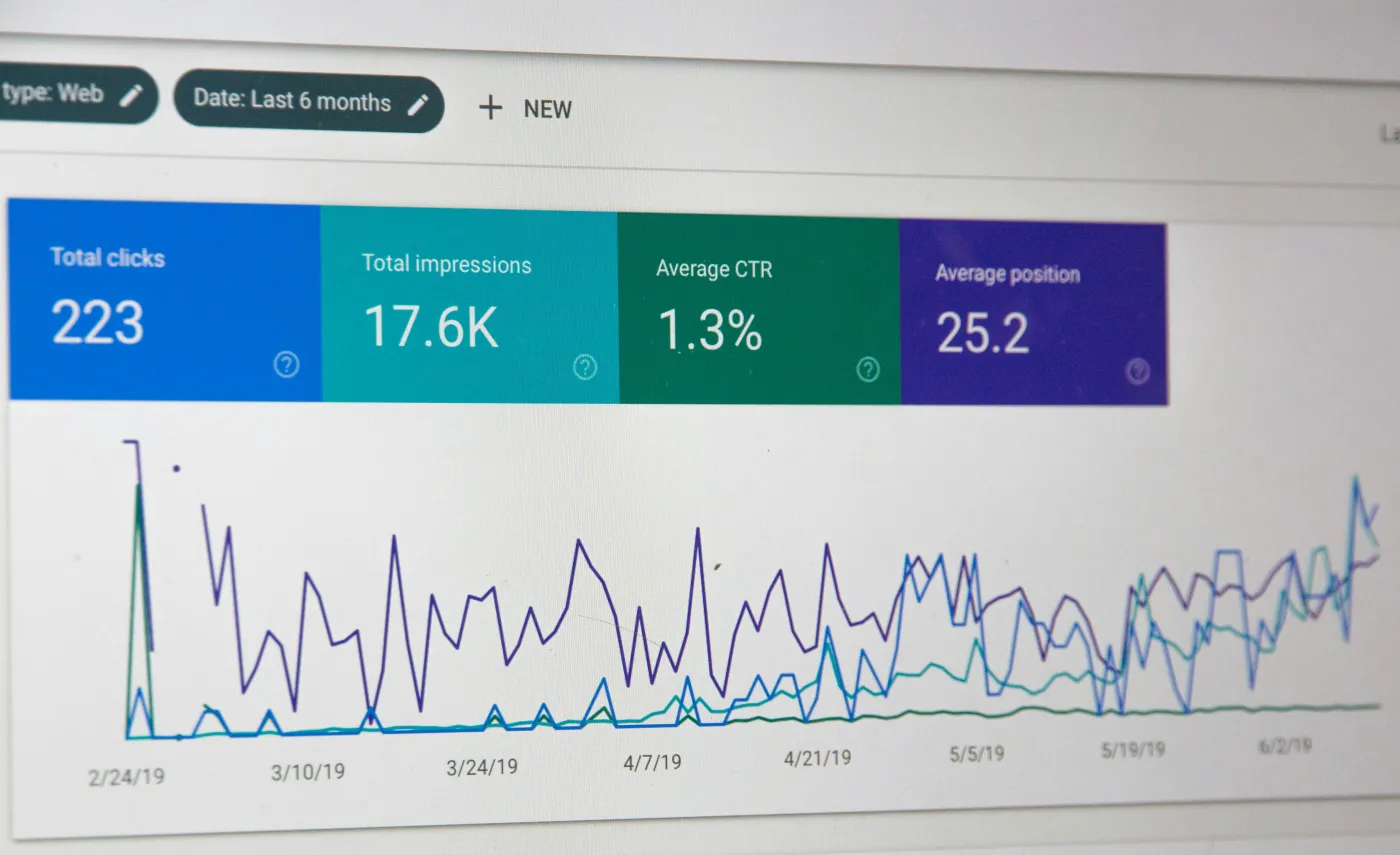
Even without a manual action, Penguin can algorithmically devalue your site's rankings. You will see traffic decline with no warning in Search Console. Diagnosing an algorithmic hit is harder than a manual action because there is no notification - just silence.
Wasted Crawl Budget
Low-quality links often sit on pages that are crawled infrequently or not at all. But when Googlebot does crawl them, it wastes resources that could have been spent discovering your valuable pages. For large sites, inefficient crawl budget allocation directly impacts indexation speed.
This is precisely why SeoBacklinkList gates access behind a purchase. When a backlink site appears on a public, free list, it gets hammered with spam submissions. The platform tightens its filters. The links get nofollowed or removed. The value evaporates. By charging $39.99 and limiting distribution, we protect the integrity of the sources - and the results our customers get.
Types of Backlinks: A Reference Framework
Understanding the taxonomy of backlinks helps you build a balanced profile that looks natural to search engines. Here is a structured breakdown.
By Link Attribute
- Dofollow: Passes link equity (PageRank). The default state unless modified.
- Nofollow: Instructs search engines not to pass equity. Still valuable for traffic and brand exposure.
- Sponsored: Marks paid or sponsored links. Required by Google for compliance.
- UGC: Marks user-generated content links, such as forum posts and comments.
By Acquisition Method
- Earned editorial: Given freely by another publisher without solicitation.
- Outreach-acquired: Secured through direct pitch, guest post, or resource link request.
- Self-created: Placed on profiles, directories, or social platforms by the site owner.
By Source Type
- News and media sites: High authority, difficult to earn, extremely valuable.
- Industry blogs: Moderate authority, accessible through relationships and quality content.
- Educational and government domains: .edu and .gov links carry outsized trust signals.
- Niche forums and communities: Contextual relevance, often nofollow but traffic-rich.
- Business directories and citations: Foundational, local SEO-focused.
Anchor Text Optimization and Diversity
The visible, clickable text of a link - the anchor text - is a strong relevance signal. But over-optimization is one of the fastest ways to trigger a spam filter. A natural anchor text profile contains a mix of:
- Branded anchors: "SeoBacklinkList," "according to SeoBacklinkList"
- Naked URLs: "https://seobacklinkslist.com"
- Generic anchors: "click here," "learn more," "this resource"
- Partial-match anchors: "curated backlink list," "SEO link database"
- Exact-match anchors: "seo backlinks list" - use sparingly, ideally under 5% of your total profile
A profile dominated by exact-match commercial anchors screams manipulation. The sites that rank sustainably have anchor text distributions that look accidental, not engineered.
Backlink Analysis Tools: What to Use and Why
No single tool captures the entire link graph. Each crawls a different subset of the web and applies its own metrics. A professional workflow uses at least two for cross-referencing.
- Ahrefs: Industry-leading link index. Domain Rating (DR) is a reliable comparative metric. The Content Explorer is unmatched for prospecting.
- Moz: Domain Authority (DA) and Spam Score are the legacy standards. Moz's Link Explorer is solid for competitive audits.
- SEMrush: Combines backlink data with keyword and traffic analytics in one platform. The Backlink Audit tool is useful for toxic link identification.
- Google Search Console: The only source of ground-truth data on which links Google actually sees. Export the Links report regularly and cross-reference with third-party tools.
Why SeoBacklinkList Charges for Access
We sell a curated seo backlinks list for $39.99. The price is not arbitrary - it is a deliberate filter. Here is what that model enables.
Continuous Updates and Expansion
Our list is not a one-time scrape. We add newly discovered, high-quality sources monthly and remove entries that show signs of decay - dropping traffic, spam score spikes, or nofollow policy changes. A static list loses relevance within a quarter. Ours evolves with the search landscape.
Hand-Picked, Not Auto-Generated
Every entry in our database has been manually reviewed. We visit the site. We check its traffic. We evaluate its outbound link profile. We verify that a link placed there today will still exist and pass value a year from now. Automation cannot replicate this level of scrutiny.

Exclusivity Protects Quality
This is the most important point. When a high-quality backlink site appears on a free list, it gets flooded with spam submissions from thousands of users. The platform's moderators respond by nofollowing all outbound links or removing the submission feature entirely. By keeping our list accessible only to paying customers, we limit the volume of submissions each source receives. The sites stay cleaner. The links remain valuable. The exclusivity is the product.
The SEO industry is saturated with free resources that promise shortcuts and deliver penalties. A website list scraped by a bot and distributed to 50,000 people is a liability, not an asset. We built SeoBacklinkList for practitioners who understand that a smaller set of verified, protected opportunities outperforms a massive list of dead ends every time.
Frequently Asked Questions
What is a backlink list and how can it help my SEO?
A backlink list is a curated collection of websites where you can acquire links pointing to your domain. It accelerates the link building process by replacing guesswork with vetted opportunities. When the list is properly filtered for authority, relevance, and spam risk, it helps you build a backlink profile that improves search visibility without triggering penalties.
What are the best types of backlinks for improving search rankings?
Editorial backlinks earned through quality content are the most powerful. Guest posts on reputable niche blogs, curated directory listings, and business profile links on high-authority platforms also contribute meaningfully. The common denominator is contextual relevance and placement on pages with real organic traffic.
Can you provide a list of high-quality backlink sources for free?
While individual free opportunities exist (Google Business Profile, Crunchbase, industry association directories), comprehensive free lists are almost always compromised. Publicly circulated lists attract spam, which causes the platforms to devalue their outbound links. The highest-quality sources tend to be those with restricted access or editorial gatekeeping.
How do I create an effective backlink list for my website?
Start by reverse-engineering competitor backlink profiles using tools like Ahrefs or SEMrush. Export referring domains, filter out spam and irrelevance, and categorize prospects by acquisition method. Qualify each domain on traffic, relevance, and link placement patterns before adding it to your outreach queue.
What are the most common backlink strategies used by SEO experts?
Broken link building, the Skyscraper Technique, digital PR for unlinked brand mentions, and strategic guest posting are the most consistently effective approaches. Professionals layer multiple strategies and prioritize quality over volume, often spending more time on research and qualification than on actual outreach.
How do I evaluate the quality of a backlink before adding it to my list?
Check indexation status, organic traffic estimates, link placement position on the page, outbound link count, and domain-level spam signals. A dofollow link from a relevant, traffic-receiving page with few other outbound links is the ideal target. Avoid domains with high spam scores, link velocity anomalies, or patterns of linking to low-quality sites.
What are the risks of using low-quality backlinks from a list?
Risks include manual actions from Google, algorithmic suppression via Penguin, and wasted crawl budget. Low-quality links can actively harm your rankings, and recovery often requires a time-consuming disavow and reconsideration process. The short-term gain of a quick link is never worth the long-term risk to your domain's trust.